Markets Nosedive
Sensex loses 388 points, Nifty ends below 6,000 on Fed, China concerns
The Nifty posted its biggest percentage fall in a year on Thursday, as the prospect of an end to the U.S. stimulus programme and a weak China manufacturing survey sparked concerns foreign investors would end their recent buying spree. Full Article
Reuters Showcase
Sino-Pakistan Relations
China's Li effusive in praise of Pakistan, but not everyone buys it. Full Article | Related Story
International Booker
Short story writer Lydia Davis wins Man Booker International fiction prize. Full Article
Reuters India Mobile
Get the latest news on the go. Visit Reuters India on your mobile device. Full Coverage
Left issues new threat over U.S. nuclear deal
NEW DELHI |
NEW DELHI (Reuters) - The communists have fired a fresh salvo at the government over a controversial nuclear deal with the United States, asking it to stop talks with a U.N. nuclear watchdog to clinch the pact or prepare for elections.
The new threat by the chief of the largest communist party, which shores up Prime Minister Manmohan Singh's coalition, is one of the most explicit in recent months and marked yet another turnaround in the stance of the left parties.
"When they return after the talks, we will tell them that there is no need to proceed further," Prakash Karat, general-secretary of the Communist Party of India (Marxist), told a party meeting, referring to negotiations between Indian experts and the International Atomic Energy Agency (IAEA).
"They will have to close this issue by the end of December," Karat said in comments that were made late on Saturday and shown on Times Now TV channel on Sunday. "If they go ahead then we will have to prepare for elections."
Singh's Congress party spokesman, Abhishek Singhvi, sought to downplay Karat's threat, saying that talks with the IAEA were being held with the full support of the communists.
The India-U.S. civil nuclear cooperation agreement aims to allow New Delhi to access American nuclear fuel and reactors by overturning a three-decade ban imposed after India conducted a nuclear test while staying out of the Non-Proliferation Treaty.
It is seen as the centrepiece of a new, strategic relationship between Washington and New Delhi and hopes to help India meet its soaring energy needs.
But communist allies of Singh have rejected it, saying it compromises India's sovereignty and draws it into the geostrategic influence of the United States.
STATE VOTE CONSIDERATION
The stand-off almost led to the collapse of Singh's government in October, before the government stepped back and paused the deal.
Last month, the communists softened their opposition amid hectic negotiations and allowed conditional talks with the IAEA to conclude a safeguards agreement needed to clinch the deal.
Those talks are expected to be wrapped up this month and the government had agreed to go back to the communists with a draft IAEA safeguards pact for their approval before pushing the deal.
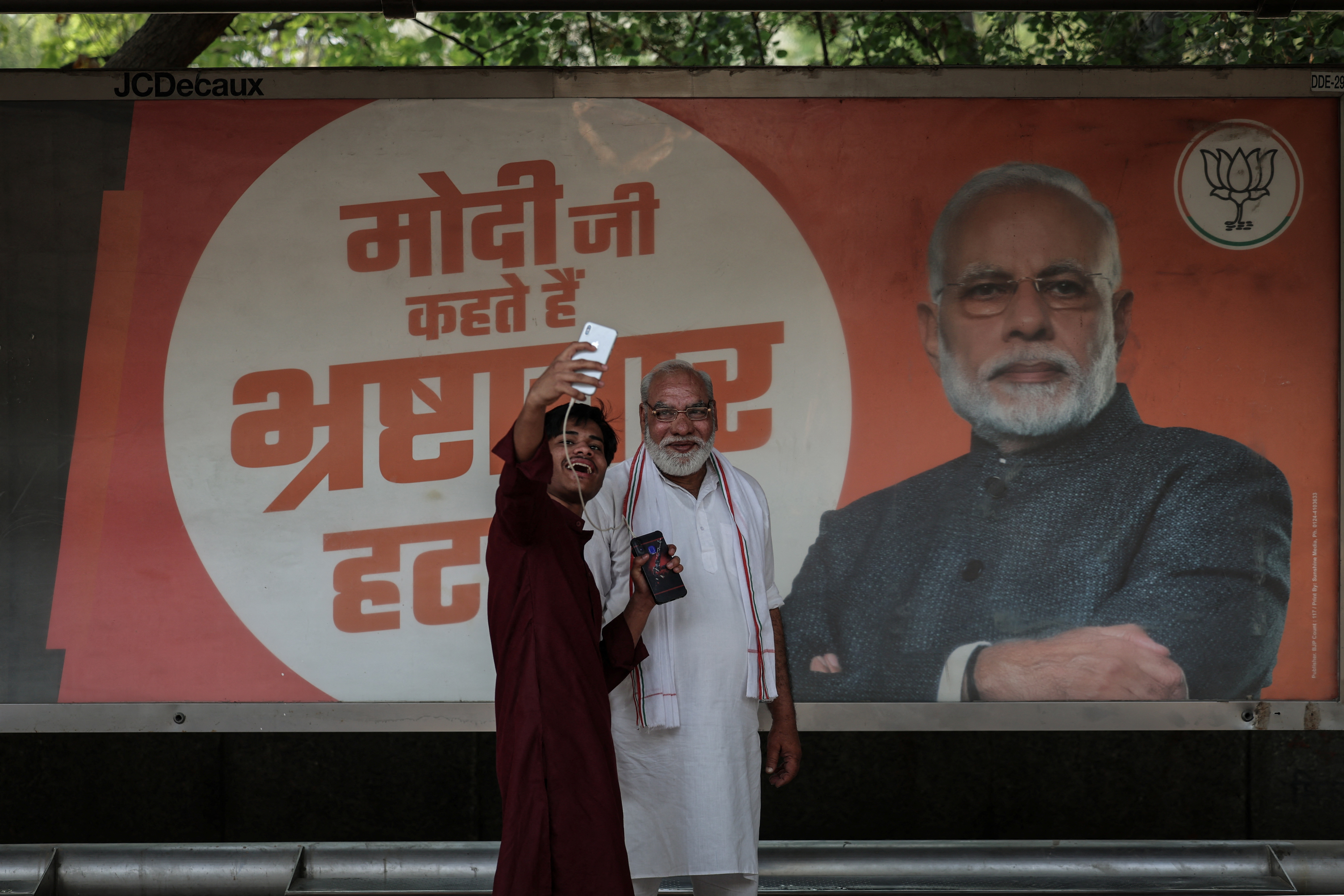
Karat said the communists relented on the deal due to elections in Gujarat, where the ruling Congress party is fighting to wrest power from the Hindu nationalist Bharatiya Janata Party and unseat its controversial chief minister, Narendra Modi.
"We didn't want this government to fall before the elections in Gujarat," he said, referring to the two-stage vote due on Dec. 11 and 16.
"We want the BJP to be defeated, the Modi government needs to be removed, so we didn't want the government to be disturbed," said Karat, whose communist alliance nurses a longstanding rivalry with the Hindu nationalists.
Besides the IAEA pact, the nuclear deal needs to be approved by the 45-nation Nuclear Suppliers Group and the U.S. Congress. Washington is keen that this process be completed before the legislative calendar is cramped by presidential polls next year.
Singh's government has been hoping that a surprise win in Gujarat would boost its position against the communists and allow it to pursue the nuclear deal.
- Tweet this
- Link this
- Share this
- Digg this
- Reprints


Follow Reuters