South Asia

  • Most Popular
  • Most Shared

Reuters Showcase

China Premier in India

China Premier in India

India gripes over border, trade woes on Li's trip.  Full Article 

Bangladesh Exclusive

Bangladesh Exclusive

Bangladesh factory banned by Wal-Mart still makes Wrangler shirts.  Full Article 

Syria Crisis

Syria Crisis

Hezbollah steps up Syria battle, Israel threatens more strikes.  Full Article 

Slowdown

Slowdown

Extreme global warming seen further away than previously thought.  Full Article 

Tech Talk

Tech Talk

Yahoo's board approves $1.1 bln Tumblr acquisition - WSJ.  Full Article 

Cannes Film Festival

Cannes Film Festival

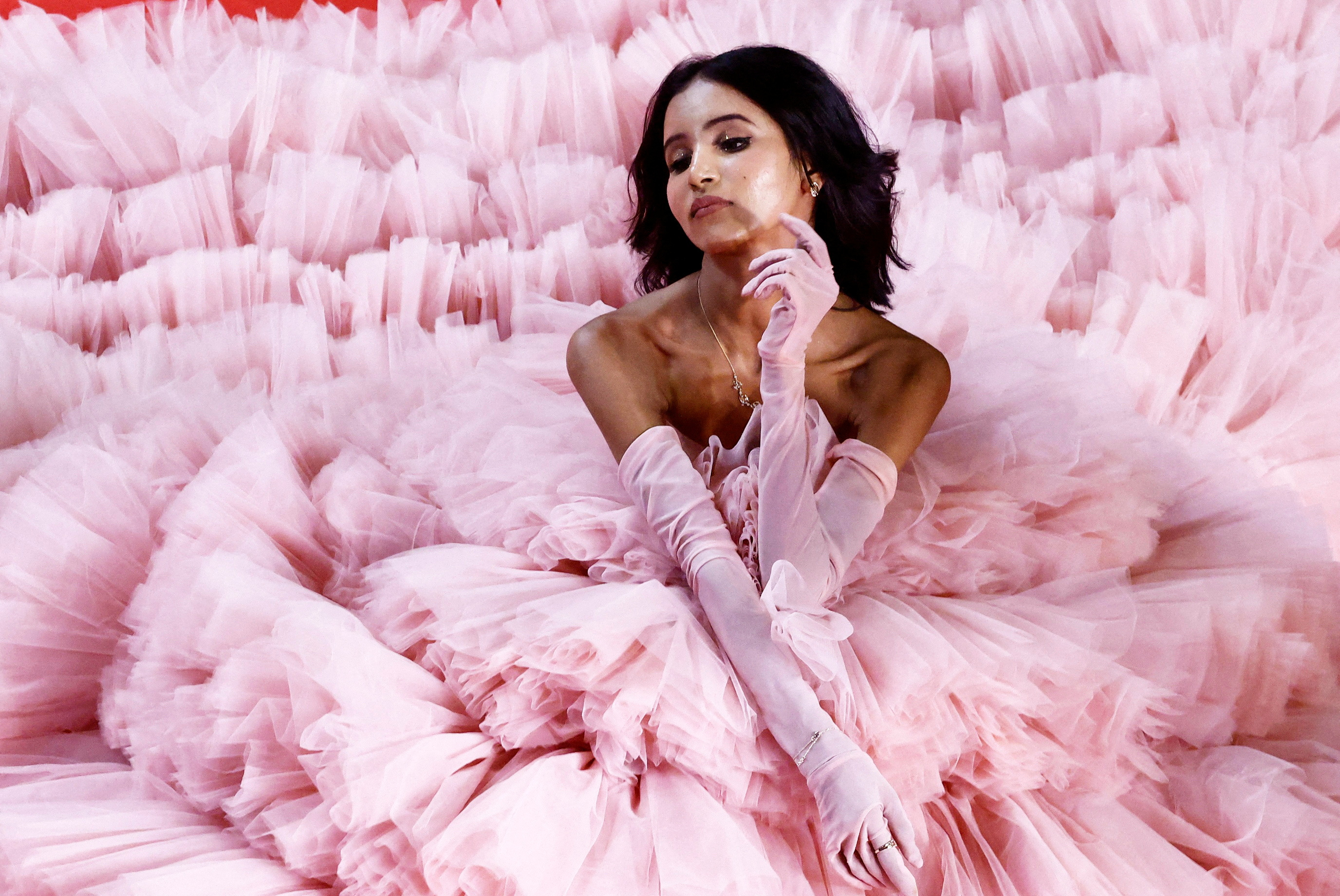
Indian cinema on a mission at Cannes to dispel Bollywood image.  Full Article 

Reuters India Mobile

Reuters India Mobile

Get the latest news on the go. Visit Reuters India on your mobile device.  Full Coverage 

"Picasso of India" M.F. Husain dies in exile aged 95

Related Topics

A file photo shows artist Maqbool Fida Husain working on a sketch of Karachi's National stadium during an ODI match between India and Pakistan February 19, 2006. Husain, India's best known painter, died on Thursday at age 95, a close friend of the artist told Reuters. REUTERS/Zahid Hussein/Files

A file photo shows artist Maqbool Fida Husain working on a sketch of Karachi's National stadium during an ODI match between India and Pakistan February 19, 2006. Husain, India's best known painter, died on Thursday at age 95, a close friend of the artist told Reuters.

Credit: Reuters/Zahid Hussein/Files

MUMBAI | Thu Jun 9, 2011 5:17pm IST

MUMBAI (Reuters) - Maqbool Fida Husain, India's best known painter, died in London on Thursday aged 95, a close friend of the artist told Reuters, five years after he left his homeland after being persecuted by Hindu zealots angry at his work.

"He died of old age. It happened early this morning," said Munna Zaveri, who had befriended Husain for 40 years, before leaving for London. "He was in hospital for some time and was supposed to come home today or tomorrow but his condition worsened."

Dubbed the "Picasso of India", Husain's work was a blend of cubism and classical Indian styles that helped put modern Indian art on the global arena. His canvasses sold for millions of dollars.

(For a blog: An encounter with M.F. Husain, click here ,

For a blog: M.F. Husain, Swami Ramdev and the world’s largest democracy, click here)

His depictions of naked Hindu goddesses enraged zealots who attacked his house, vandalised shows displaying his work and drove him to flee India. For years, galleries were too frightened of protests to display his work.

In 2006, he moved from Mumbai to Dubai, later London, and in 2010 accepted Qatari citizenship, a step that led to much soul-searching in India over whether the world's largest democracy could guarantee artistic freedoms.

Husain said he was too old to fight "tooth and nail" and he craved the comforts and facilities needed for his work. Borders did not matter to artists and his work would still be influenced by India's culture, he said in a 2010 television interview.

His death was mourned by artists and drew condolences from politicians, several of whom who have been criticised for not being able to guarantee him the freedom he needed.

A spokesman for the Hindu nationalist Bharatiya Janata Party called it "a great loss", sentiments echoed by President Pratibha Patil and Prime Minister Manmohan Singh.

"He was so prolific that it didn't matter whether some of his art appealed to the masses and some of it was appreciated at the highest level," Anjolie Ela Menon, a leading Indian artist, told Times Now television.

Famous for walking barefoot and carrying a large paintbrush like a riding crop, Husain started as a struggling commercial painter creating cinema hoardings in the late 1930s.

He was part of the Progressive Artists Group, a collective that broke tradition to create avant-garde art. He was awarded the Padma Vibhushan, India's second highest civilian honour, in 1989 and nominated to the upper house of parliament in 1986.

(Writing by C.J. Kuncheria; Editing by Miral Fahmy)

Comments (0)
This discussion is now closed. We welcome comments on our articles for a limited period after their publication.