London Killing

  • Most Popular
  • Most Shared

Reuters Showcase

Oklahoma Tornado

Oklahoma Tornado

Rescuers search Oklahoma tornado town ruins as recovery starts.  Full Article | Slideshow 

Photo

Syria Crisis

U.S. may boost Syria rebels if Assad won't talk peace.  Full Article 

Marathon Bombings

Marathon Bombings

FBI says man shot dead while being questioned about Boston bombings.  Full Article 

China - U.S. Ties

China - U.S. Ties

Analysis: From opera to exercises, U.S. and China deepen military ties.  Full Article 

Toilet Paper Scarcity

Toilet Paper Scarcity

With even toilet paper scarce, Venezuelan president warms to business.  Full Article 

Hostages Released

Hostages Released

Militants release seven Egyptians kidnapped in Sinai.  Full Article 

China Bird Flu

China Bird Flu

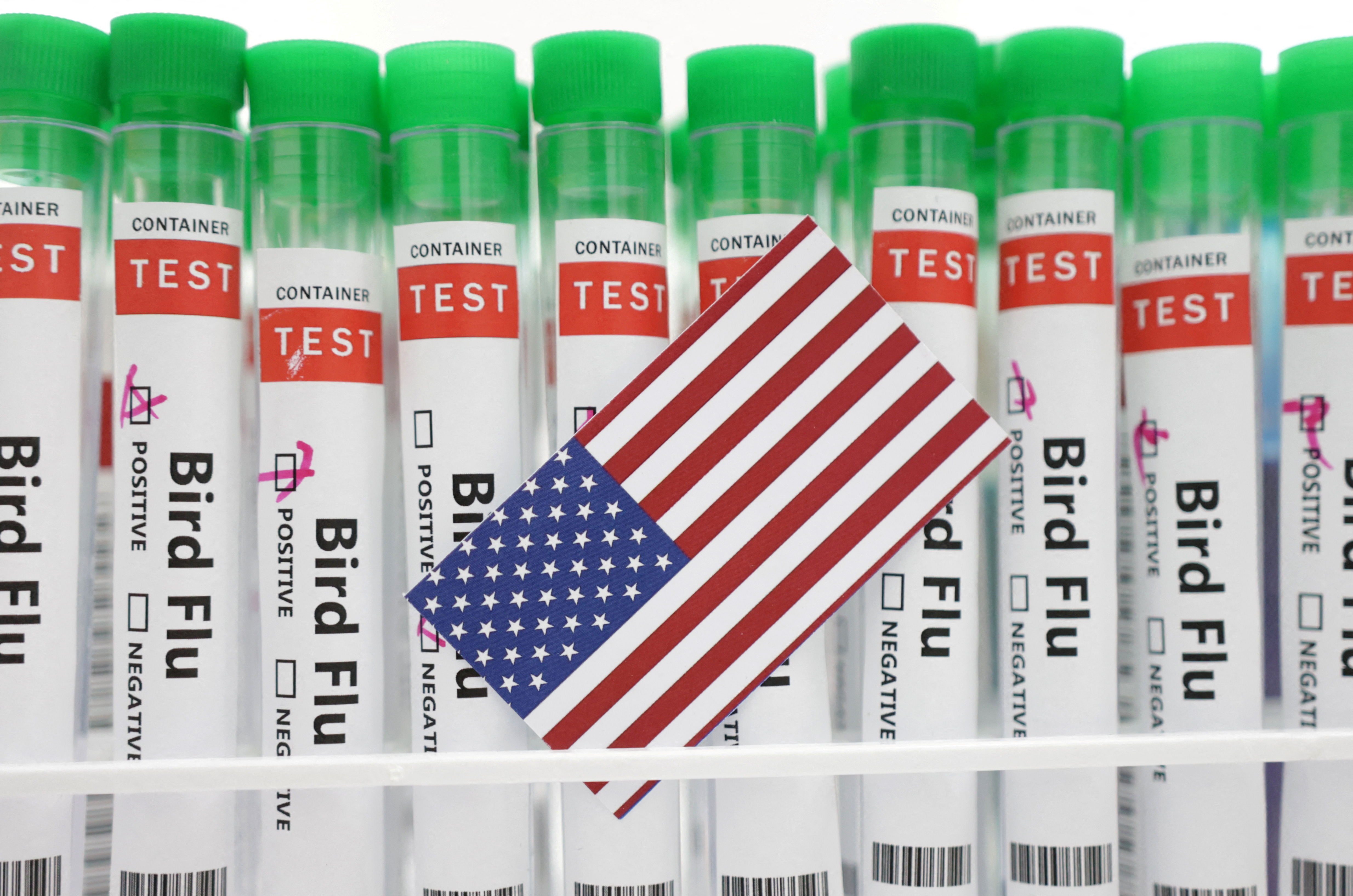
China's bird flu outbreak cost $6.5 billion.  Full Article 

Reuters India Mobile

Reuters India Mobile

Get the latest news on the go. Visit Reuters India on your mobile device.  Full Coverage 

Scientists say heartbeat, not battery, could power pacemakers

Related Topics

Photo

Aishwarya at Cannes

Aishwarya Rai Bachchan marks 12 years at the Cannes Film Festival. Here is how she looked over the years.  Slideshow 

A German pacemaker is shown against the backdrop of a cardiological graph at the St. Josefs hospital in the eastern city of Potsdam in this February 26, 2004 file photo. REUTERS/Arnd Wiegmann/Files

A German pacemaker is shown against the backdrop of a cardiological graph at the St. Josefs hospital in the eastern city of Potsdam in this February 26, 2004 file photo.

Credit: Reuters/Arnd Wiegmann/Files

LOS ANGELES | Mon Nov 5, 2012 8:48am IST

LOS ANGELES (Reuters) - Your own beating heart may generate enough electricity to power a heart-regulating pacemaker, ending the need for expensive surgeries to replace expiring batteries, according to an early study of an experimental energy-converting device.

Researchers at the Department of Aerospace Engineering at the University of Michigan in Ann Arbor tested an energy-harvesting device that runs on piezoelectricity - the electrical charge generated from motion, according to the study which was released at the annual American Heart Association scientific conference on Sunday.

The approach is a promising technological solution for pacemakers, because they require only small amounts of power to operate, said M. Amin Karami, the study's lead author and a research fellow at the university.

The implanted devices, which send electrical impulses into the heart to help maintain a normal heartbeat, have to be replaced every five to seven years when their batteries run out.

Researchers measured heartbeat-induced vibrations in the chest. They then used a "shaker" to reproduce the vibrations in the laboratory and connected it to a prototype cardiac energy harvester they developed.

Measurements of the prototype's performance, based on a wide range of simulated heartbeats, showed the energy harvester generated more than 10 times the power required by modern pacemakers.

The device is about half the size of batteries now used in pacemakers and includes a self-powering back-up capacitor, Karami said. Researchers hope to integrate their technology into commercial pacemakers.

"What we have proven is that under optimal conditions, this concept is working," Karami said, adding that the next step is to integrate the device into a pacemaker.

The researcher, who presented the study here at a scientific meeting of the American Heart Association, said the technology might one day also power other implantable cardiac devices, such as defibrillators.

The study was funded by the National Institute of Standards and Technology and the National Center for Advancing Translational Sciences.

About 700,000 people worldwide who have heart rhythm disturbances get a pacemaker or defibrillator each year.

In the United States, pacemakers sell for about $5,000, which does not include the cost of surgery, a hospital stay and additional care.

(Reporting By Deena Beasley; Editing by Bernard Orr)

Comments (0)
This discussion is now closed. We welcome comments on our articles for a limited period after their publication.