Falling Markets
Nifty falls below 6,000 on U.S. stimulus, China worries
Nifty futures fell more than 2 percent in trade on Thursday as the prospect of an end to the U.S. stimulus programme and a weak China manufacturing survey has sparked concerns about foreign investor selling. Nifty was below 6,000. Article | Graphic: Five-day Nifty movement
REUTERS SHOWCASE
Subsidy Compensation
Government to pay state-run fuel retailers $8.1 billion in Q4 oil subsidy. Full Article
Buy, Sell or Hold?
Confused while buying stocks? Get buy, sell or hold recommendations from VantageTrade. Full Coverage
Reuters India Mobile
Get the latest news on the go. Visit Reuters India on your mobile device. Full Coverage
Stocks hit by U.S. fiscal fears, weak yen lifts Nikkei
SINGAPORE |
SINGAPORE (Reuters) - Asian stocks mostly fell on Thursday, taking their lead from a drop in Wall Street shares as investors reacted to the prospect of drawn-out negotiations to avert the looming U.S. "fiscal cliff" by shedding riskier assets.
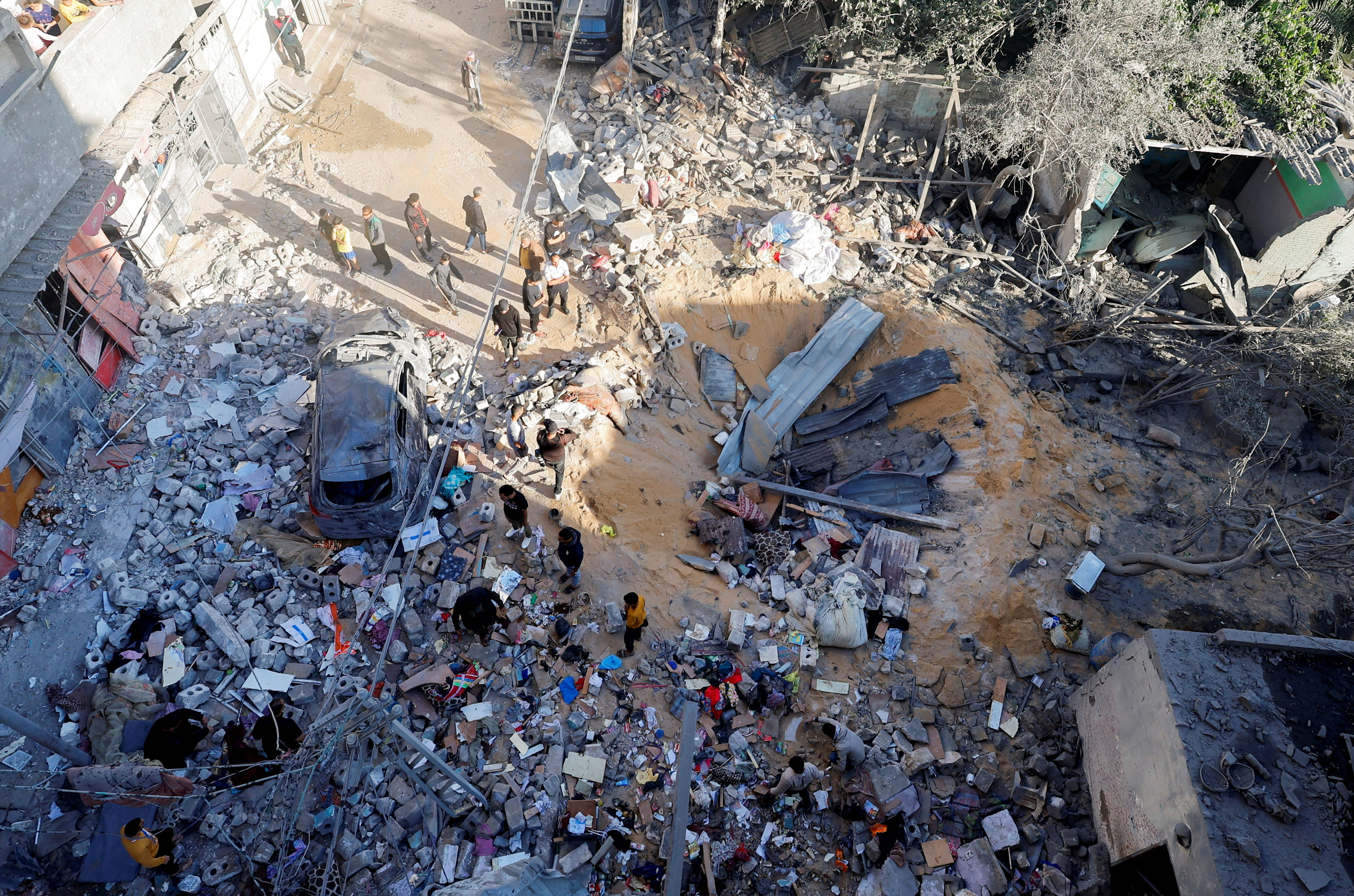
The retreat from risk also weighed on commodities, with the exception of oil, which jumped in the previous session due to rising tensions in the Middle East after Israel launched an offensive against Palestinian militants in Gaza.
MSCI's broadest index of Asia Pacific shares outside Japan fell 0.5 percent. But Tokyo's Nikkei rose 0.6 percent as the lift given to exporters by a sharp fall in the yen the previous day outweighed global concerns.
"U.S. stocks fell, and there are concerns about the developing situation in Israel, so sentiment is cautious and the outlook is cloudy and unclear," said Kenichi Hirano, operating officer at Tachibana Securities in Tokyo.
U.S. stocks fell more than 1 percent on Wednesday after President Barack Obama reiterated his call for the wealthy to pay higher taxes, setting the stage for a tough budget battle with Congressional Republicans.
Investors fear that the package of tax increases and spending cuts mandated to come into force next year if a deal is not agreed - the so-called fiscal cliff - will pitch the world's biggest economy back into recession.
Currency markets were little changed in early Asian trading, with the euro steady around $1.2730 and the yen at 80.17 to the dollar.
The yen had fallen the most against the dollar in two months on Wednesday after Japanese Prime Minister Yoshihiko Noda indicated he would call a snap election for next month.
Japan's main opposition Liberal Democratic Party, which favours further monetary policy easing by the central bank, leads in opinion polls and the prospect of an early election is regarded as negative for the yen.
U.S. crude traded down a few cents around $86.25 a barrel. Benchmark Brent crude had risen more than 1 percent on Wednesday towards $110 a barrel after Israel launched airstrikes in retaliation from rocket attacks on its territory, killing the military chief of Hamas.
Gold eased 0.1 percent to around $1,724 an ounce.
(Additional reporting by Dominic Lau and Lisa Twaronite in Tokyo; Editing by Michael Perry)
- Tweet this
- Link this
- Share this
- Digg this
- Reprints


Follow Reuters