Violence in Slovakia
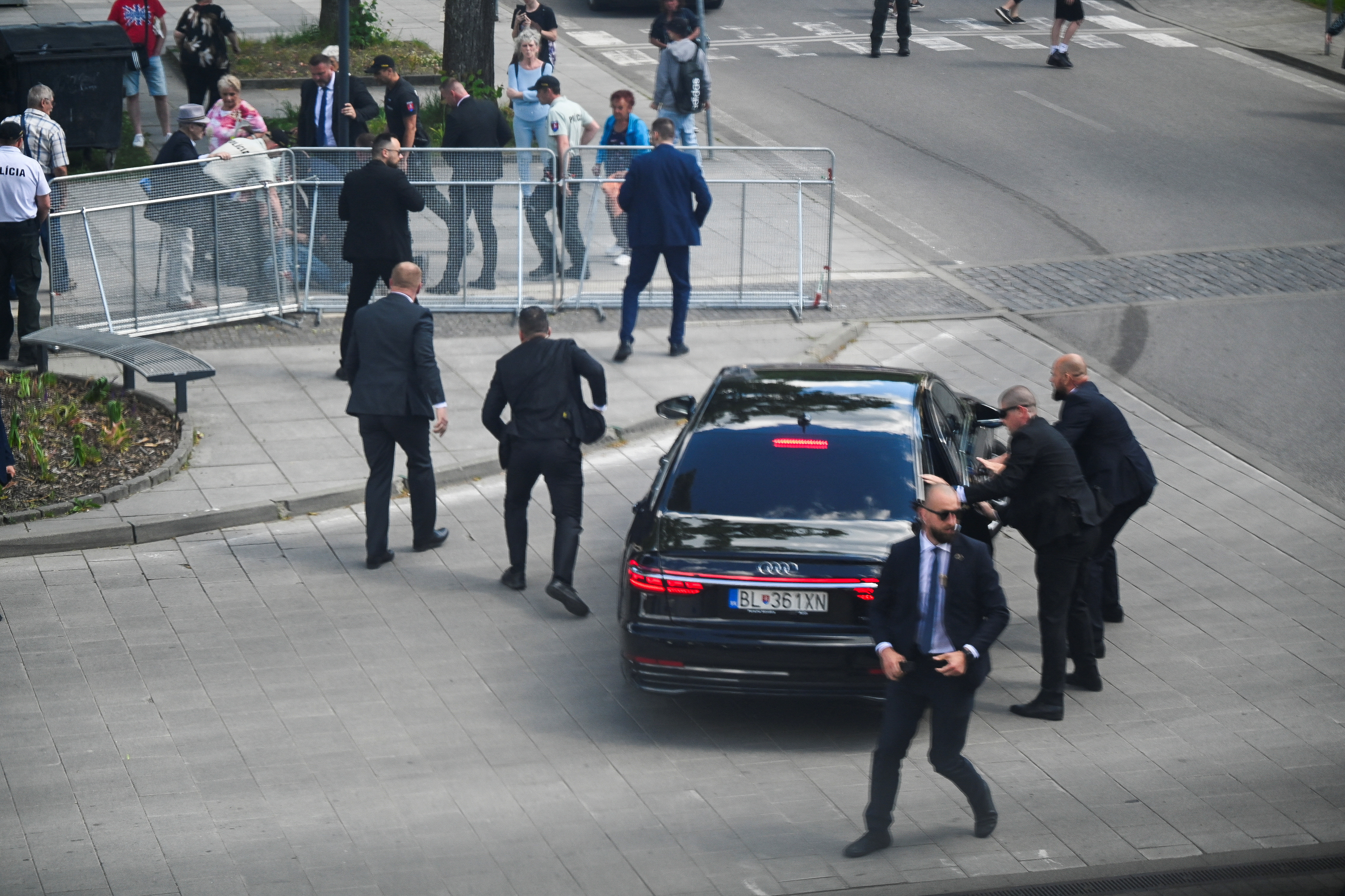
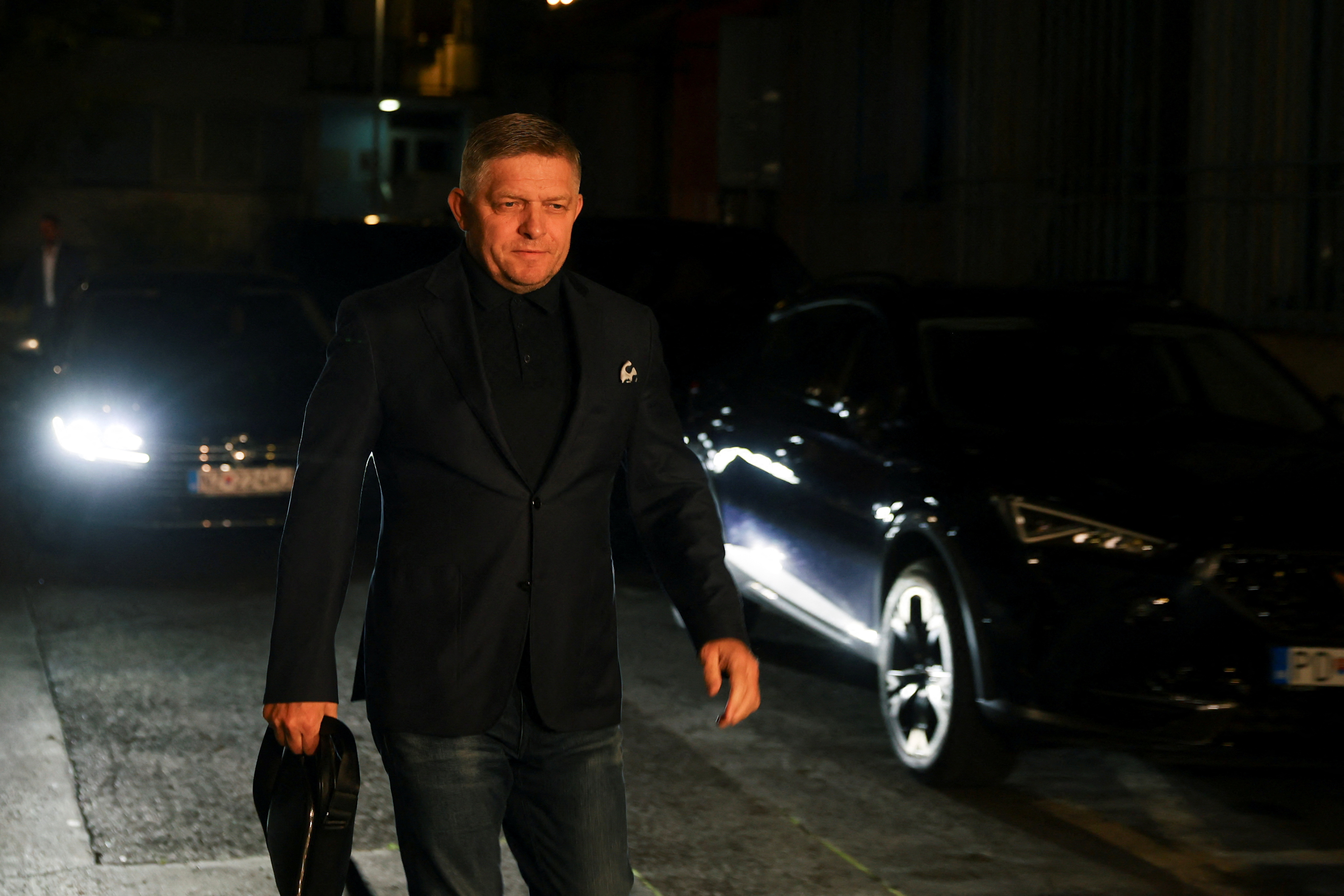
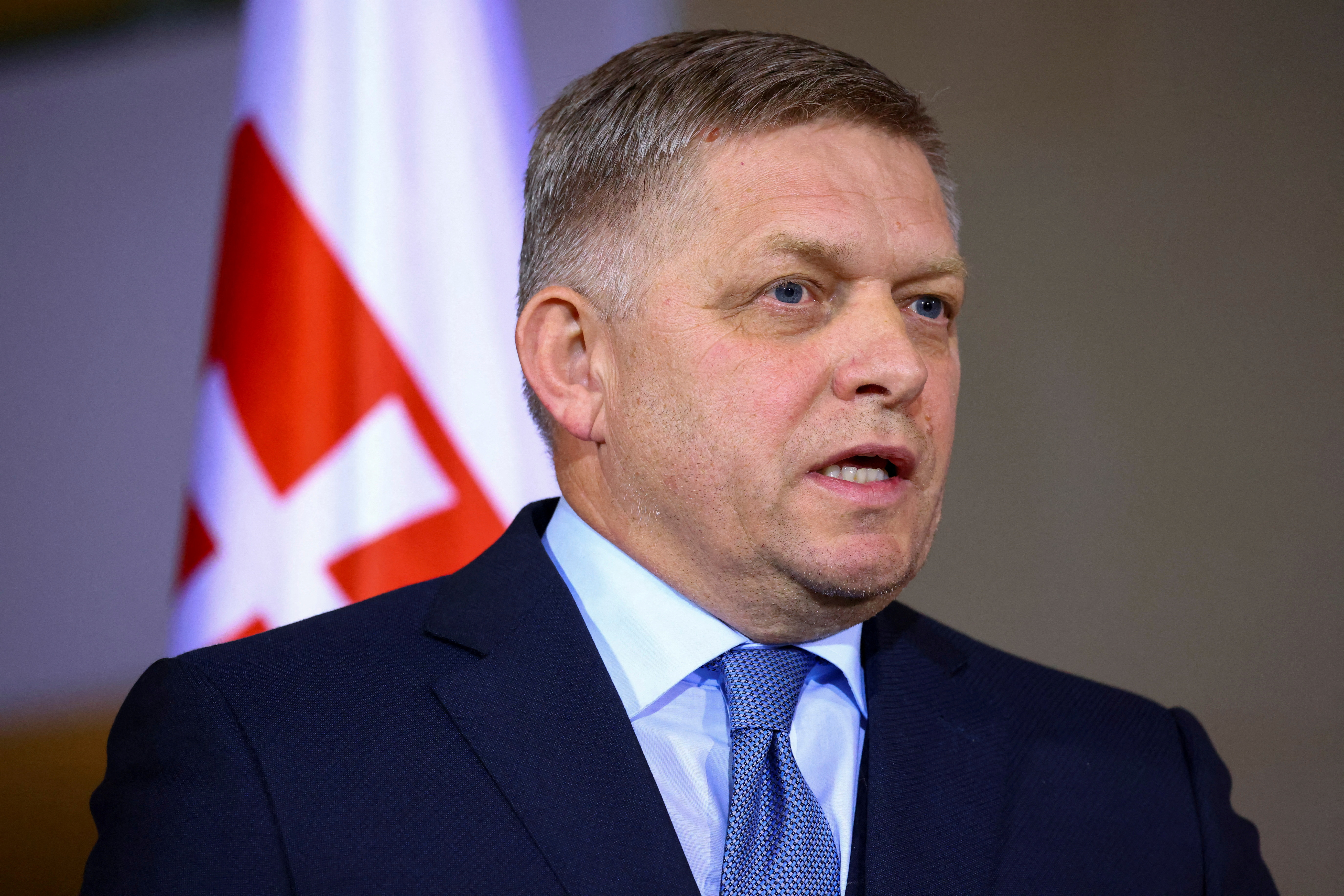
Slovak Prime Minister Robert Fico suffered life-threatening injuries on Wednesday when he was shot and wounded in an attempted assassination that stunned his small Central European nation and drew a chorus of international condemnation.
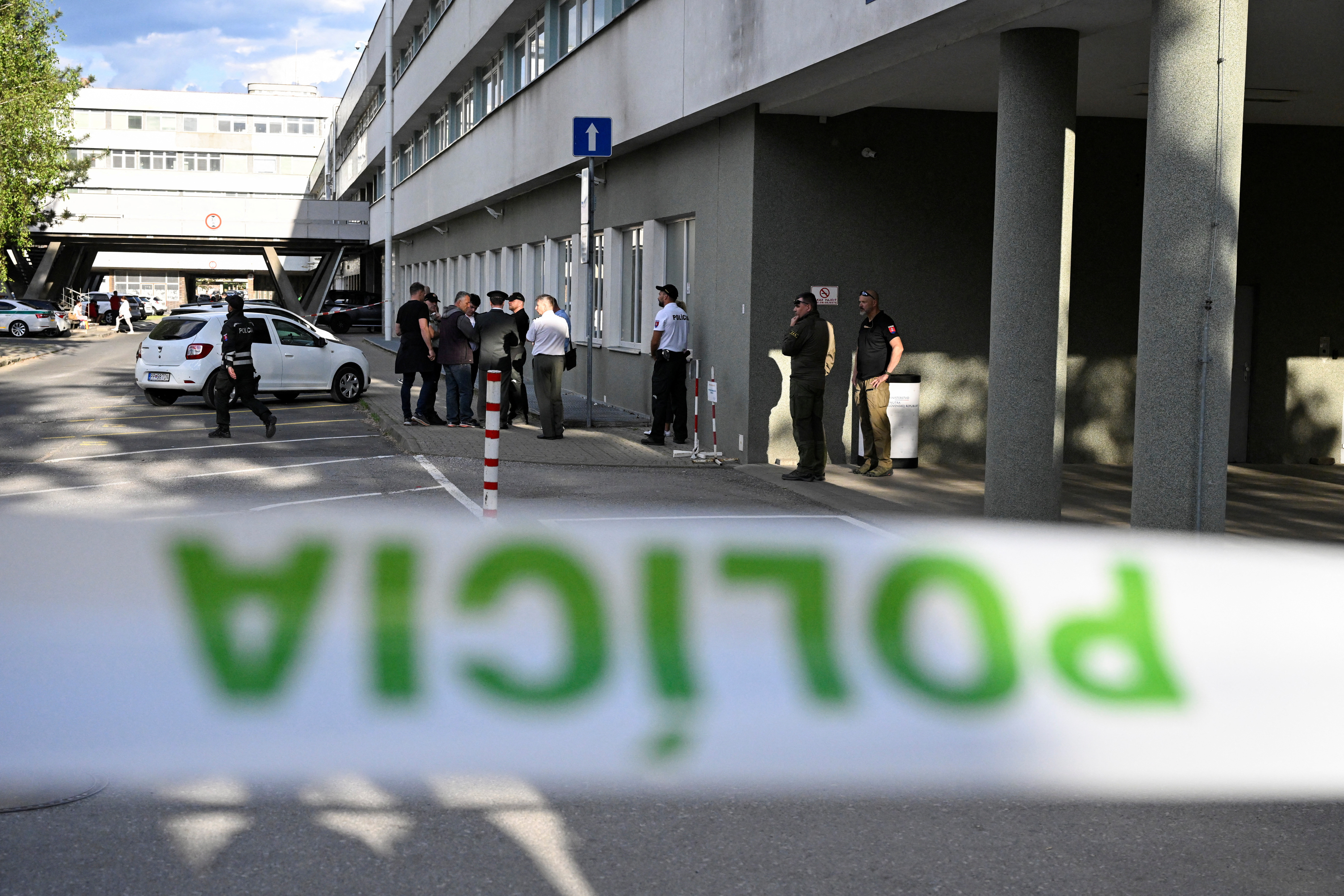
An area of the F.D. Roosevelt University Hospital where Slovak Prime Minister Robert Fico was taken after a shooting incident in Handlova, is cordoned off, in Banska Bystrica, Slovakia, May 15, 2024. REUTERS/Radovan Stoklasa - World
Slovak Prime Minister Robert Fico, who was said to be in a life-threatening condition after being shot on Wednesday, took power for the fourth time last October and has turned the country's foreign policy towards more pro-Russian views.
- World
Slovak Prime Minister Robert Fico suffered life-threatening injuries when he was shot and wounded in an attempted assassination on Wednesday, the government office said.
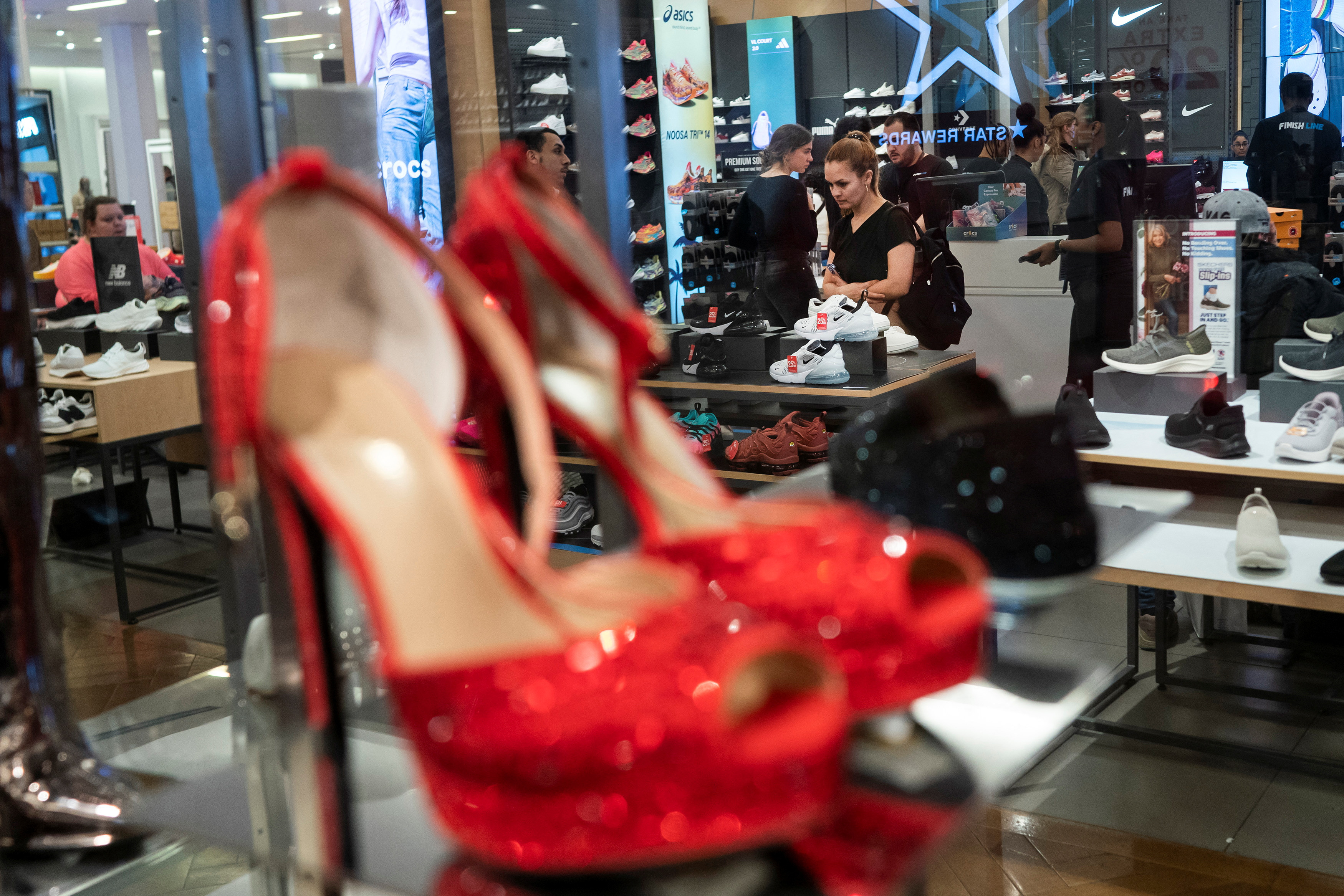
U.S. consumer prices increased less than expected in April, suggesting that inflation resumed its downward trend at the start of the second quarter in a boost to financial market expectations for a September interest rate cut.
People shop at the Macy’s flagship store in New York City, U.S., December 10, 2023. REUTERS/Eduardo Munoz/File Photo
Slovak Prime Minister Robert Fico suffered life-threatening injuries on Wednesday when he was shot and wounded in an attempted assassination that stunned his small Central European nation and drew a chorus of international condemnation.
An area of the F.D. Roosevelt University Hospital where Slovak Prime Minister Robert Fico was taken after a shooting incident in Handlova, is cordoned off, in Banska Bystrica, Slovakia, May 15, 2024. REUTERS/Radovan Stoklasa
Markets


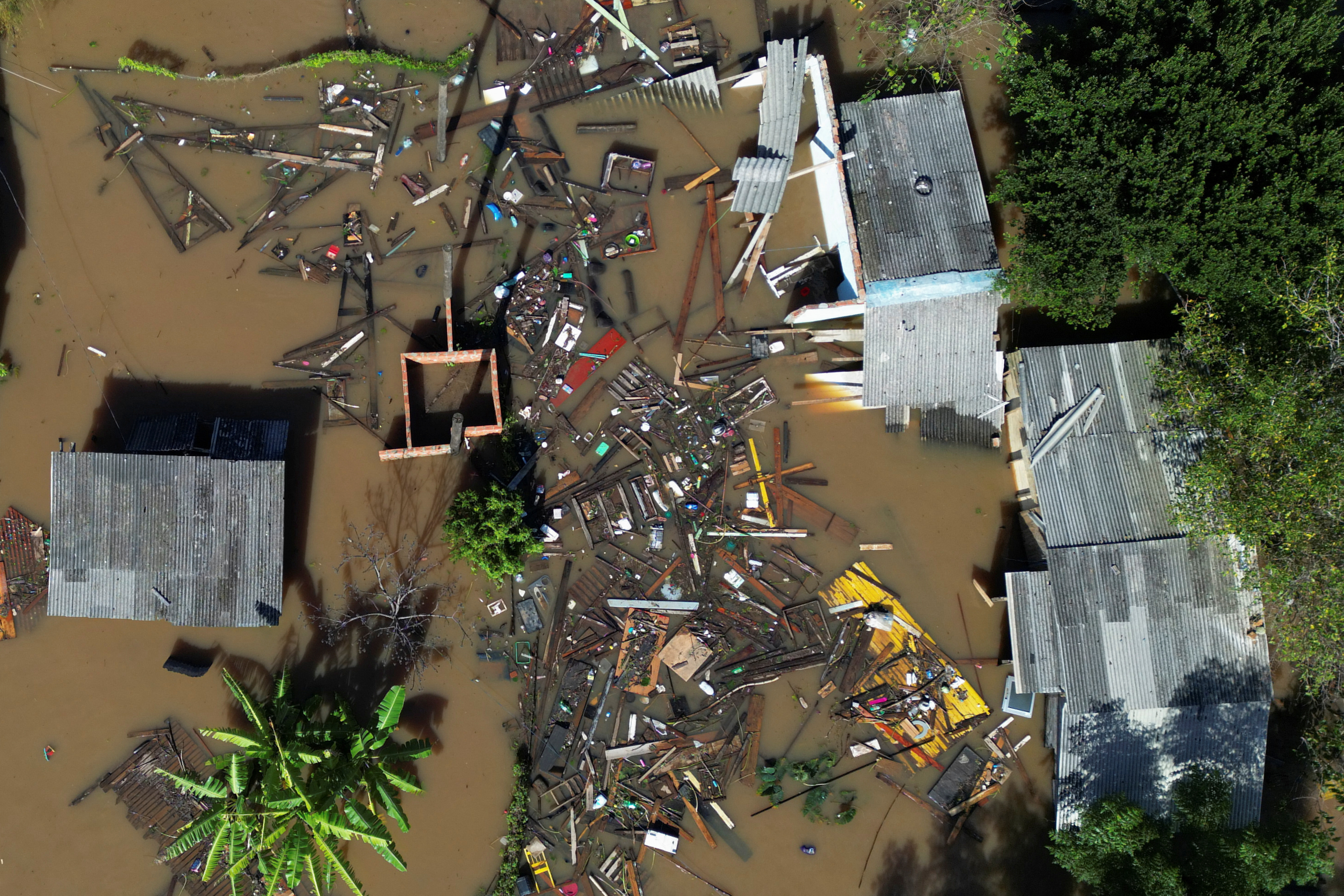
Porto Alegre may suffer severe flooding for weeks, compounding the struggles of half a million people forced to abandon their inundated homes.
Talking Points

Maria Luiza Kaluzny hopes her talent with violin can bring culture from the fringes of Brazilian society into mainstream