US says Israel's use of weapons may have violated international law
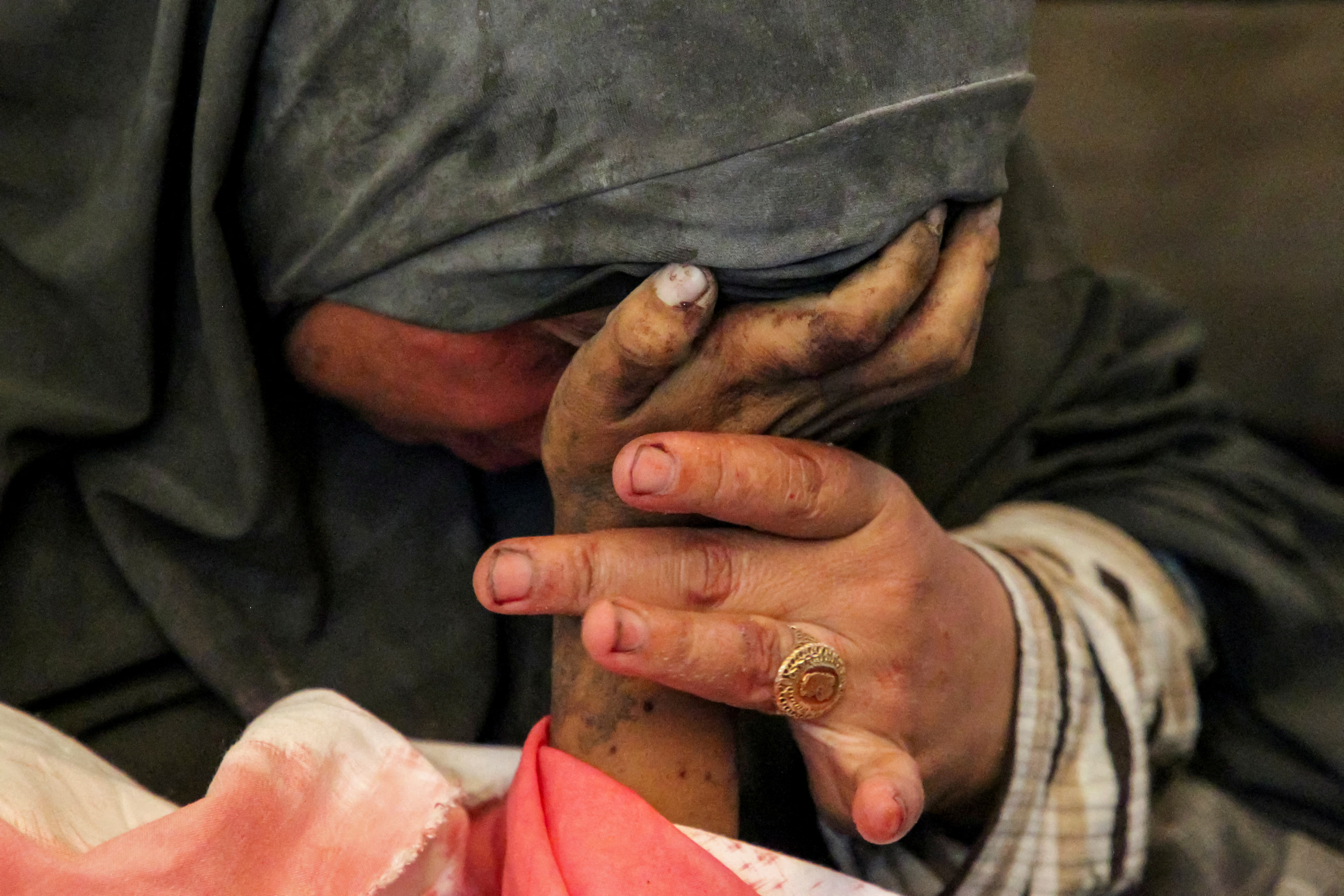
A woman mourns Palestinians killed in Israeli strikes, amid the ongoing conflict between Israel and the Palestinian Islamist group Hamas, in Rafah, in the southern Gaza Strip, May 8, 2024. REUTERS/Mohammed Salem/File Photo The Biden administration on Friday said Israel's use of U.S.-supplied weapons may have violated international humanitarian law during its military operation in Gaza, a major step up in criticism of its key ally.

Markets




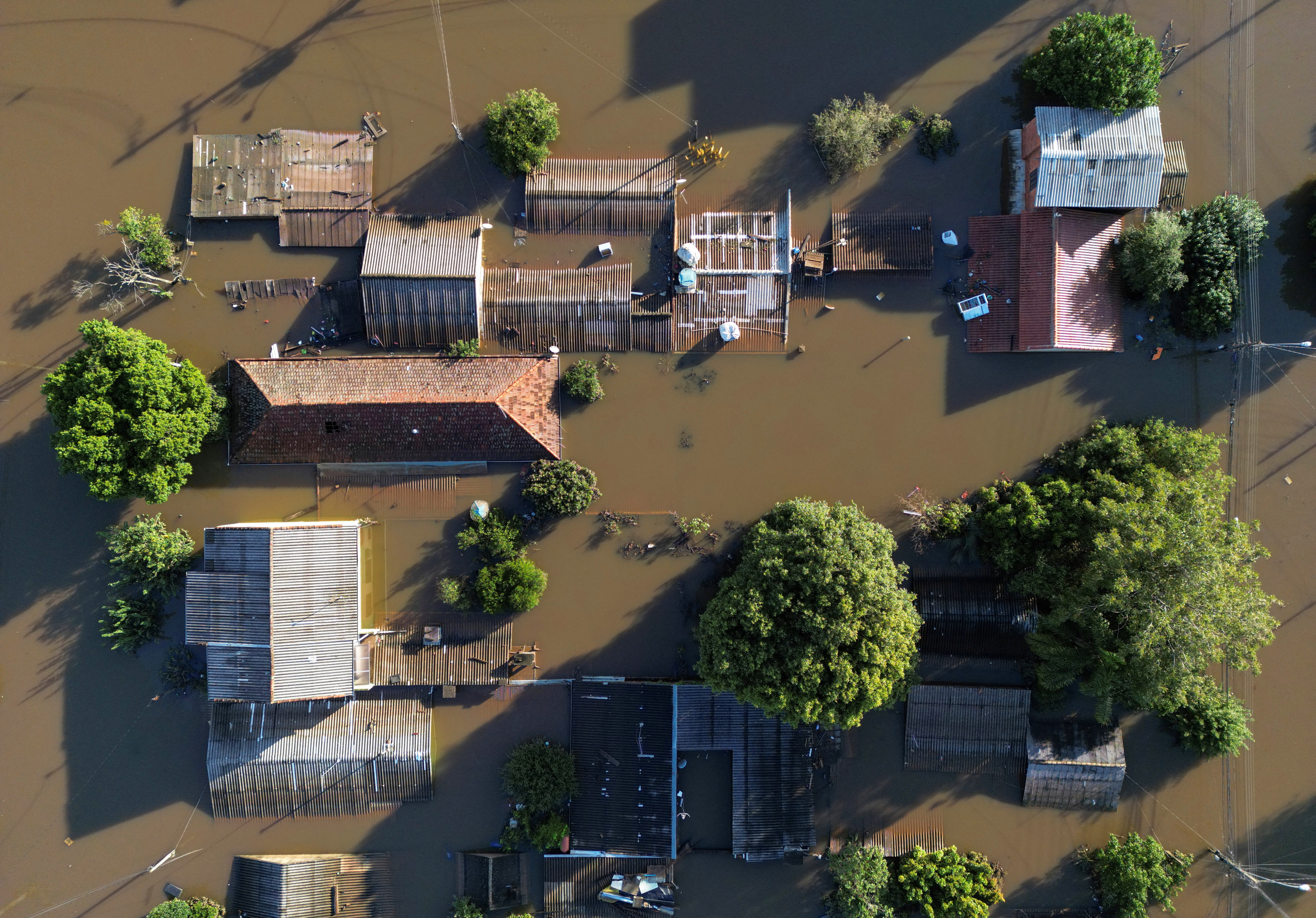
EnvironmentDeath toll from Brazil floods hits 113
Storms and floods battering Rio Grande do Sul left more than 337,000 displaced with another 146 unaccounted for
Talking Points






Giant blue-grey sei whales make a comeback 100 years after vanishing
The whales that vanished from Argentina's Patagonian coast due to hunting are starting to flourish once again.